 EUR /
EUR /  USD — Euro / US Dollar
 JPY — US Dollar / Japanese Yen
 GBP /
GBP /  AUD /
AUD /  CAD — US Dollar / Canadian Dollar
 CHF — US Dollar / Swiss Franc
 NZD /
NZD / 
What is DMA in trading? How to place orders on an exchange
Direct market access (DMA) trading is the process of placing orders directly with an exchange. DMA trading is available for a variety of financial instruments, including stocks and forex. You can also trade contracts for difference (CFDs) using direct market access. Whatever instrument you trade, you’ll place an order directly onto the order books of an exchange.
For example, let’s say you want to buy Google shares. Google is listed on the NASDAQ exchange under its parent company’s name, Alphabet Inc. As a trader, you can use a DMA platform to buy shares in Alphabet directly from NASDAQ. This means you’re bypassing any third-party brokers and getting them straight from the source.
This has certain benefits, such as price transparency and pricing. It also has some drawbacks, such as liquidity. We’ll discuss the pros and cons of DMA trading in the final section of this guide. Before that, make sure you understand the basic definition of direct market access. Using this strategy means you’re placing orders directly with an exchange as opposed to using a third-party broker.

Taking it back: how market access works
Understanding the basics of DMA trading requires an understanding of market access, in general. Trading online or over the phone is usually handled by a broker. This means you place an order with a broker, and they execute it on your behalf.
There are various types of brokers out there. If you use a trading platform, the trading platform is the broker. It’s the gateway to a variety of financial markets, including commodities, indices, forex, and stocks. In this sense, the trading platform is the middle man, as it has access to exchanges and collates the best prices, and the software places orders on your behalf. This is also known as over the counter (OTC) trading.
This is because you’re placing an order over a metaphorical counter, just as you would at a shop. The “shop assistant” (aka the broker/brokerage software) then goes and fulfils your order and returns with the product.
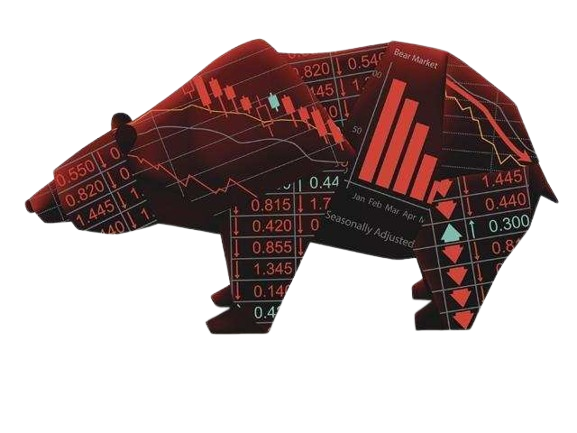
DMA vs. OTC trading
So, if you want to trade Google shares via an online trading platform, you’d start a buy order. You’d then set parameters for your trade, such as the best price you want to pay, the number of shares you want, and an expiry time for the order. The software will then scour the exchange for a seller and complete the order. This order gets logged with the exchange, and you get the shares.
All of this happens in the background and can take just a few seconds. That’s one of the main reasons online trading has become so accessible, affordable, and popular. Brokers, aka the middlemen, handle all of the technical stuff and you get to buy and sell by tapping a few buttons.
DMA trading is different because it removes the middleman. Orders aren’t placed by the broker. Instead, you place the orders directly with the exchange. This requires special software that gives you access to an exchange. It also requires a deeper knowledge of trading because you have to manually search through an exchange’s order book. That’s not an easy thing to do if you’re new to trading because you need to read price quotes and know how to choose the best ones.
How to get direct market access in trading
DMA trading isn’t usually available to individual retail investors. Big businesses, institutional investors, and high net worth individuals can get direct market access, but the average person placing a few trades per month will almost always use a brokerage. For those that want to try DMA trading, it is possible. Here’s how:
- Download DMA trading software
Firstly, you need DMA trading software. Here at Saxo Bank, we have the necessary provisions for direct market access. You will have to meet certain entry requirements, but it’s possible to make a DMA trade through products such as FX Prime.
- Take the buy or sell side
Once you’ve got the necessary account and software to make DMA trades, you need to decide what you want to buy/sell. There are two sides to the direct access market: the buy side and the sell side. So, if you want to buy directly from an exchange, you go to the buy side providers and vice versa.
- Find a quote and place your order
The final step in a DMA trading strategy requires you to search the dealer platform. This is where you’ll notice the main difference between DMA and OTC trading. A broker/brokerage does the searching part in OTC trading. With DMA, you search an exchange’s order book manually. Then, once you’ve found a quote you like, you place the order.
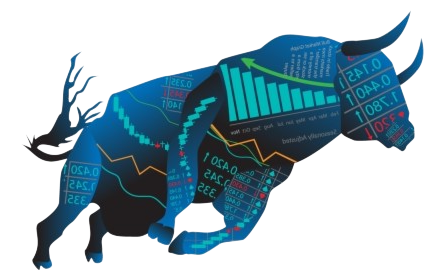
CFD trading with direct market access
Placing an order directly with the exchange means you need the full amount of capital. So, if 10 Google shares cost $1,200, you need to have $1,200 available in your account to complete an order. This isn’t always necessary when you trade via a broker because you may be able to buy fractional shares, for example.
It is possible to trade CFDs with direct market access. Again, however, you need sufficient capital to execute an order. So, let’s say you take a long position on Google shares. You place the order and the DMA trading software checks to see if you have the necessary margin (i.e. the amount of money required to cover the trade and any potential swings). This takes a few seconds and, if you pass the check, the order is placed directly with an exchange.
If you trade CFDs via a broker, you may not need as much margin. This is because the broker may cover some of the risks through leverage. For example, leverage of 50:1 means the broker puts in 50 units to every 1 unit you commit. Therefore, you can take large positions with a comparatively small amount of capital. This isn’t possible with DMA trading.
The pros and cons of DMA trading
DMA trading requires specialist software and, due to the fact it’s more involved than placing orders via a broker, it’s only recommended for experienced traders. However, if you’re thinking about using direct market access, here are some things to consider:
Pros of DMA trading
Some of the upsides to DMA trading are:
Greater transparency
Placing orders via an exchange means you’re doing it directly with a counterparty (i.e. if you’re buying, you’re connecting directly with a seller and vice versa). This means the price you see is the price you pay. What’s more, once you place the order with a counterparty, it’s executed immediately.
Lower costs
Brokers include a spread in their trading options. Spreads are small differences between the market price and the price you pay. They’re used to cover a broker’s costs. When you trade directly via an exchange, you don’t need to cover these costs. There are other fees associated with DMA trading, but they tend to be lower than the average spread. And, if you use certain algorithmic trading strategies, it’s possible to keep your costs even lower.
Cons of DMA trading
Some of the downsides to DMA trading are:
Not a simple way to trade
Trading via direct market access requires a lot of manual processes i.e. searching for price quotes. If you’re not an experienced trader, this can increase your chances of making a mistake which, in turn, creates more risk.
Liquidity issues
All trading requires a party and a counterparty i.e. a buyer and seller. Trading directly with a single exchange may limit your options in this regard and lead to liquidity issues (you won’t be able to buy/sell quickly). This isn’t always the case, but it’s also true that brokers usually offer greater liquidity because they have access to a broader range of exchanges (not just one).
Rules and regulations
The rules regarding repeat trades and rejections can be tougher when you’re trading directly with an exchange. This is because everything is being written onto the exchange’s order book and there isn’t scope for failed transactions because it can upset the whole ecosystem. This doesn’t mean you can place lots of failed orders with a broker. However, there is a little more leeway in OTC trading.
Trade online your way
Online trading is a personal endeavour. You should always do what’s best for you in terms of the assets you trade, the amount you risk, and the strategy you use. DMA trading isn’t suitable for the majority of novice traders, but it is something to consider as you gain more experience.