





Copper Futures
Discover how copper markets work, what drives copper prices and how traders can gain exposure to one of the world's most important industrial commodities.
Copper Trading
Copper has been used by civilisations for thousands of years and remains one of the most important industrial metals in the modern global economy. From electrical wiring and construction to renewable energy systems, batteries and advanced technologies, copper plays a critical role in economic development.
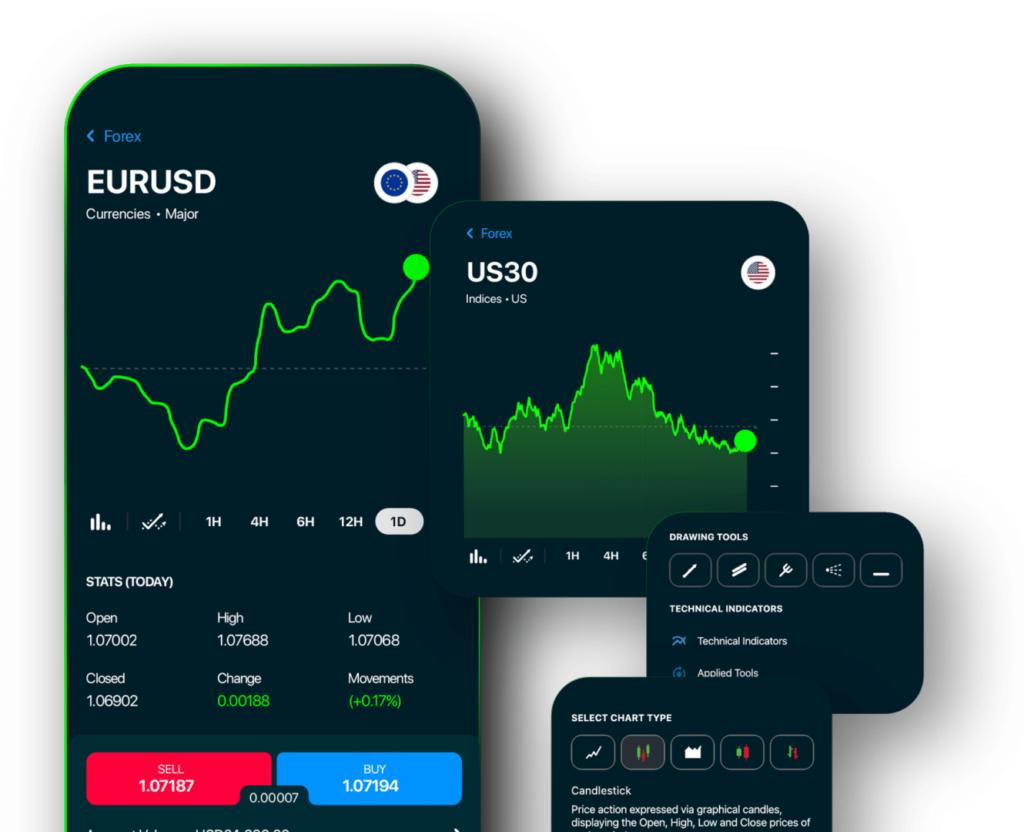
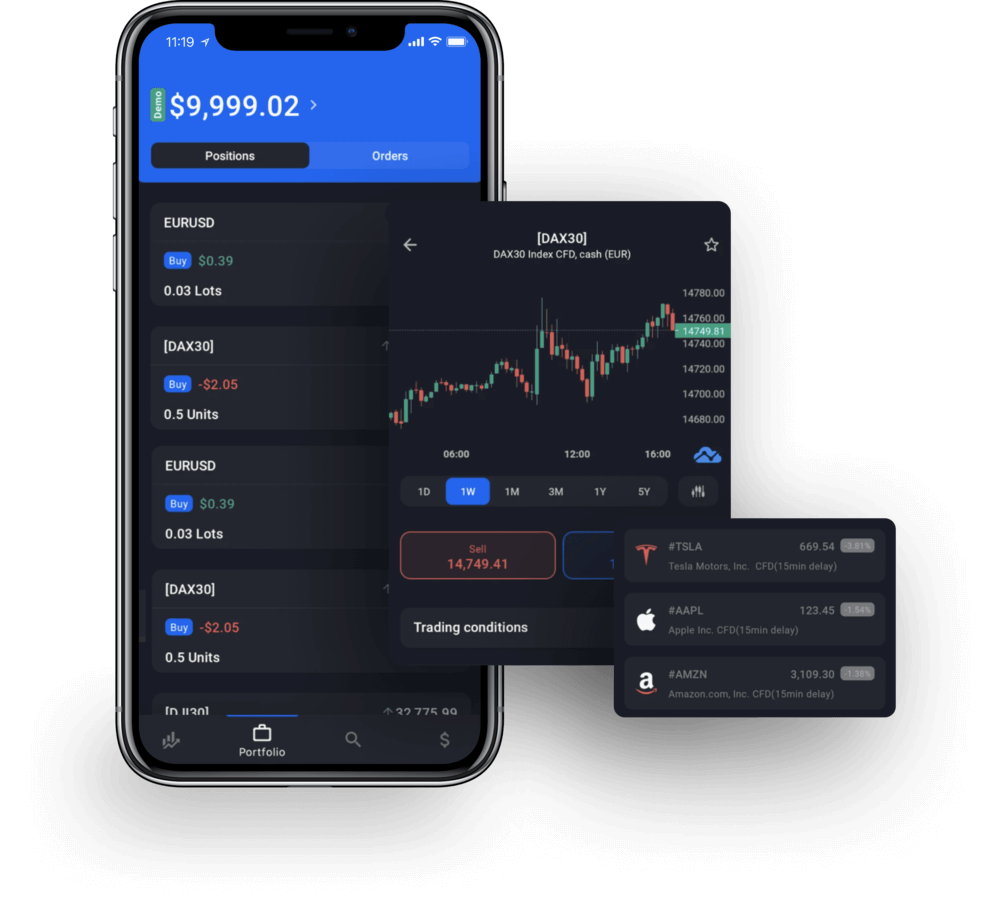
Copper trading allows market participants to speculate on the price movements of the metal without necessarily taking ownership of the physical commodity. Through instruments such as CFDs and futures, traders can seek exposure to both rising and falling copper prices.
Copper is often viewed as a potential indicator of global economic activity because of its widespread use in construction, manufacturing, infrastructure and technology. When demand for copper increases, it can reflect stronger industrial activity. When demand weakens, it may signal slower economic growth.
Trade Copper with Today Markets
Copper is a highly traded commodity with global demand driven by industrial activity, infrastructure development and the transition towards new energy technologies. Trading copper can provide exposure to a market influenced by a wide range of economic, geopolitical and supply-related factors.
The Copper Market
Copper is mined and traded globally, with major production coming from countries including Chile, Peru and China. Copper is traded through major international commodity markets, including the New York Mercantile Exchange (NYMEX), the Shanghai Futures Exchange (SHFE), the London Metal Exchange (LME) and other global venues.
The global copper market is influenced by mining production, industrial consumption, economic growth and changing demand from emerging technologies.
What Affects the Copper Price?
Like most commodities, copper prices are primarily influenced by supply and demand. However, the range of industries that use copper means that its price can also be affected by global economic growth, construction activity, technology investment and changes in energy infrastructure.
Global Economic Growth
Copper is widely used in construction, manufacturing and infrastructure. Stronger economic activity can increase demand for the metal, while periods of slower growth can reduce industrial consumption.
Mining Supply
Production disruptions, strikes, political instability, operational problems and declining mine output can all affect the amount of copper available to the global market.
China and Emerging Markets
China is one of the world's largest consumers of copper. Changes in Chinese manufacturing, construction and infrastructure spending can therefore have a significant influence on global copper demand.
Renewable Energy
Copper is used extensively in electricity networks, renewable energy infrastructure, batteries and electric vehicles. Continued investment in these areas could influence long-term demand for the metal.
Construction and Housing
Copper is widely used in electrical wiring, plumbing and construction. A slowdown in new housing and commercial construction can reduce demand, while a construction boom can support consumption.
Currency Movements
Copper is commonly priced in US dollars. Changes in the value of the dollar can influence the international purchasing power of buyers and may affect commodity prices.
Copper CFD Trading
Copper CFDs allow traders to speculate on price movements without buying, transporting or storing physical copper. Instead, the trader speculates on whether the price of the underlying market will rise or fall.
Depending on your market analysis, you may choose to take a long position if you believe copper prices could rise, or a short position if you believe prices could decline.
Potential Advantages of Trading Copper CFDs
Trading copper through CFDs can provide flexibility for traders who want exposure to commodity price movements without taking physical ownership of the underlying metal.
- Speculate on rising and falling copper prices
- Trade without owning or storing physical copper
- Access exposure to an internationally traded commodity
- Use trading strategies based on technical and fundamental analysis
- Manage positions using available risk management tools
Leverage can increase market exposure, but it can also magnify losses. Traders should understand how leveraged products work and ensure that their trading approach is appropriate for their individual circumstances.
```Copper Trading Strategies
There is no single strategy that suits every copper trader. Some traders focus on technical analysis, while others follow fundamental developments affecting global supply and demand.
Technical Analysis
Copper often produces identifiable trends and chart patterns. Traders may use tools such as moving averages, support and resistance levels, trendlines and momentum indicators when analysing potential trading opportunities.
Fundamental Analysis
Fundamental copper traders monitor factors such as mining production, economic growth, industrial demand, Chinese manufacturing activity, infrastructure investment and the development of renewable energy technologies.
Trend Trading
When copper prices establish a sustained upward or downward trend, some traders may seek to follow that movement using technical indicators and appropriate risk management.
Range Trading
During periods when copper prices trade within clearly defined support and resistance levels, some traders may look for potential opportunities near the boundaries of the established range.
Copper Trading FAQs
Is copper a precious metal?
Copper is generally classified as a base metal rather than a precious metal. Unlike gold and silver, copper is relatively abundant and is primarily valued for its industrial applications. Its widespread use in construction, manufacturing, electrical systems and technology makes it one of the most important industrial commodities in the global economy.
Why is copper important to the global economy?
Copper is used in a wide range of industries, including construction, electronics, power generation, transportation and renewable energy. Because of this broad industrial use, changes in copper demand can be closely connected to economic activity.
What is the best strategy for trading copper?
The most suitable strategy depends on the trader's objectives, experience and approach to risk. Some traders combine technical analysis with fundamental research, monitoring both price charts and the factors that influence copper supply and demand.
Can I trade copper when prices are falling?
Depending on the instrument and account conditions available, CFD trading can allow traders to speculate on both rising and falling markets. Traders should understand the risks involved before opening a leveraged position.
Copper Trading Summary
- Copper is one of the world's most important industrial metals.
- Major copper price drivers include supply, demand, economic growth and industrial activity.
- China is a major consumer of copper and changes in its economy can influence global demand.
- Renewable energy, electric vehicles and electrical infrastructure may influence long-term copper demand.
- Traders can use technical and fundamental analysis when studying copper markets.
- CFDs can provide exposure to copper price movements without taking ownership of the physical commodity.
- Leverage can increase both potential gains and potential losses.