




Trade Platinum with Today Markets
Platinum is one of the rarest precious metals on Earth. Although platinum can be found in meteorites, the amount produced each year is significantly lower than gold and silver. Its unique metallic properties have made it an important material across a wide range of commercial and industrial industries.
Platinum is highly resistant to extreme temperatures, does not easily oxidise when exposed to air and is resistant to many chemicals. It is also an excellent conductor of heat, making it an important commodity in industries ranging from automotive manufacturing and jewellery to medicine and technology.
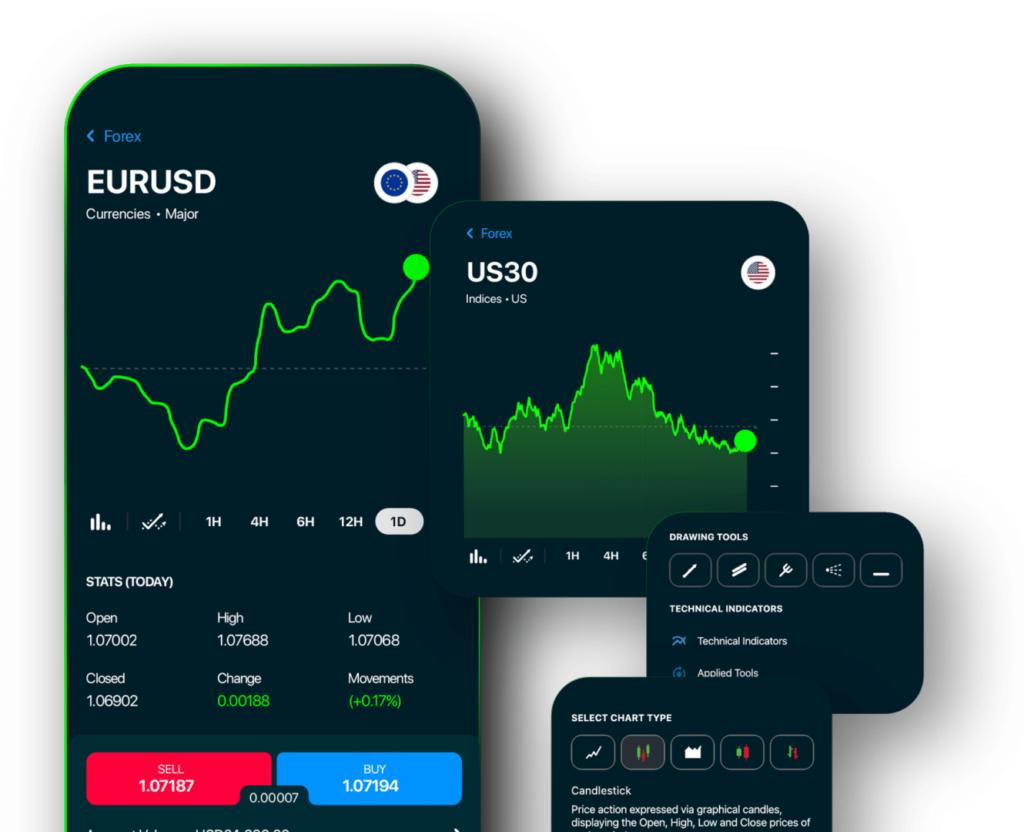
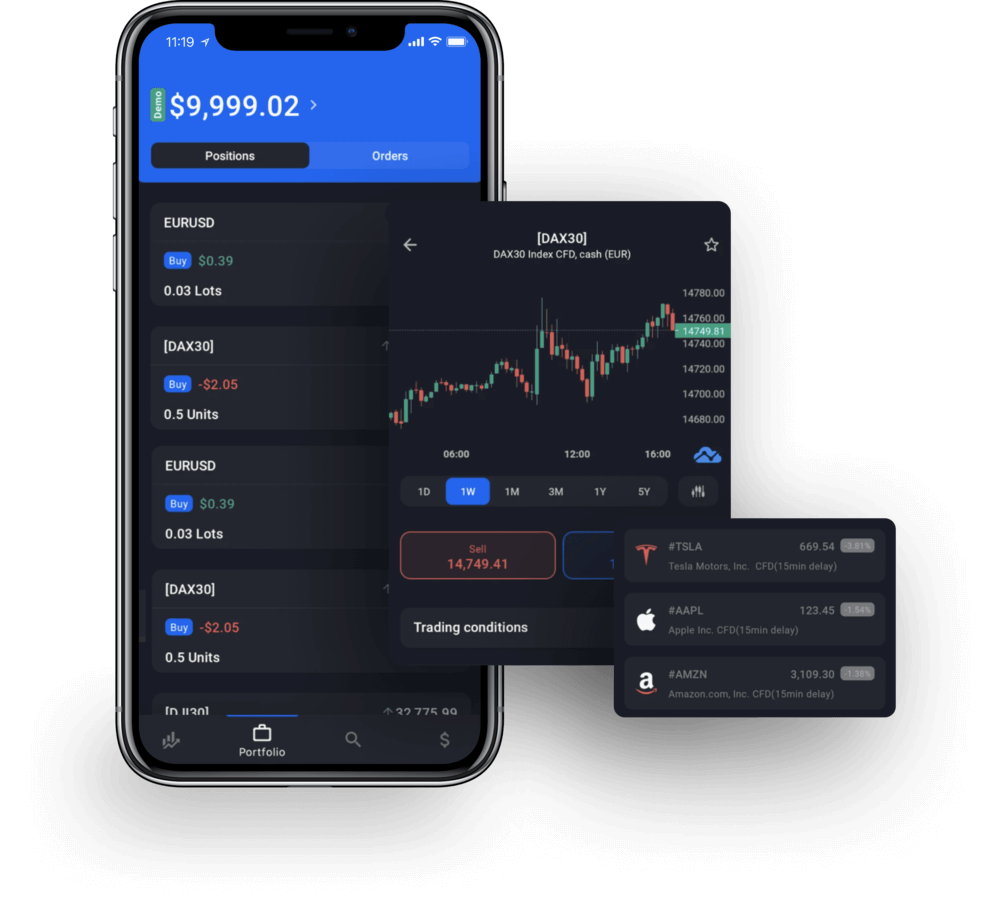
With Today Markets, traders can speculate on platinum price movements through CFDs without taking ownership of the physical metal.
Trade Platinum with Today Markets
Platinum trading can offer exposure to a precious metal that is influenced by both investment demand and industrial consumption. Traders can speculate on the price of platinum without the costs and logistical challenges associated with owning and storing physical metal.
The Platinum Market
Around half of global platinum consumption is associated with jewellery, although the metal is also used extensively in industrial applications. Platinum is an important component in catalytic converters and is used in various applications across medicine, electronics, technology and manufacturing.
The majority of the world's platinum production comes from Africa, with significant production also taking place in Russia and North America. Platinum is traded globally across major commodity markets, including the New York Mercantile Exchange and other international exchanges.
| Market | Information |
|---|---|
| Primary uses | Automotive, jewellery, medicine, electronics and industrial applications |
| Major production region | Africa |
| Other major producers | Russia and North America |
| Global trading | Platinum is traded across major international commodity exchanges |
Advantages of Trading Platinum
Platinum has a range of unique properties that make it an important commodity for a number of industries. These include:
- Its use in catalytic converters and automotive applications
- Strong demand from the jewellery industry
- Resistance to corrosion and high temperatures
- Applications in medical treatments and healthcare
- Use in electronics, thermometers and specialist equipment
- Potential exposure to industrial and precious metals markets through one asset
What Affects the Platinum Price?
Platinum prices are influenced by a combination of supply, demand, industrial activity and investor sentiment. Because platinum is used across several different industries, changes in economic activity can have a significant impact on demand.
Platinum and Gold Prices
Traders often compare platinum with gold because both are precious metals. The relationship between the two metals can change over time depending on investor sentiment, economic conditions and industrial demand.
Gold is often viewed primarily as a store of value and safe-haven asset, while platinum has a greater industrial component. As a result, the two metals can sometimes respond differently to changing market conditions.
Supply and Rarity
Platinum is an extremely rare natural resource. Like other commodities, its price is influenced by the balance between the amount of platinum being produced and the level of global demand.
Production disruptions in major mining regions can affect global supply and may result in increased market volatility.
Industrial Demand
Industrial demand plays an important role in the platinum market. Platinum is used in automotive technology, manufacturing, electronics and medical applications.
Changes in global manufacturing activity, vehicle production and technological development can therefore affect demand for platinum and influence its price.
Platinum CFD Trading
Platinum CFDs allow traders to speculate on the price of platinum without purchasing or taking ownership of the physical metal. Instead, the trader seeks to benefit from changes in the market price of the underlying asset.
One of the key advantages of CFD trading is flexibility. Traders can potentially take a long position if they believe platinum prices may rise, or a short position if they believe prices may fall.
Flexibility
Commodity prices can change rapidly in response to economic news, supply disruptions and shifts in demand. With CFD trading, traders can manage their positions without needing to transport, store or secure physical platinum.
Leverage
CFDs may provide leveraged exposure, allowing traders to gain exposure to a larger position by depositing a smaller amount of capital as margin. Leverage can magnify potential gains, but it can also magnify potential losses.
Cost Efficiency
Trading platinum through CFDs eliminates many of the costs associated with physical ownership, including transportation, storage, security and insurance.
Long and Short Trading
Because CFDs allow traders to speculate on price movements in either direction, traders can potentially seek opportunities in both rising and falling platinum markets.
Platinum Trading Strategies
The most suitable platinum trading strategy will depend on a trader's objectives, market knowledge, risk tolerance and preferred timeframe.
Trend Trading
Platinum can experience extended periods of upward or downward price movement. Trend traders may use technical analysis tools such as moving averages, trendlines and momentum indicators to identify potential trading opportunities.
Breakout Trading
Breakout traders look for situations where the price of platinum moves beyond an established support or resistance level. A breakout may signal the beginning of a new directional movement.
Fundamental Analysis
Fundamental traders monitor factors such as global industrial activity, automotive demand, mining supply, geopolitical developments and economic conditions to assess potential changes in platinum prices.
Platinum Trading FAQs
Why should I trade platinum?
Platinum is one of the rarest precious metals in the world and has a wide range of industrial applications. Its combination of limited supply and industrial demand can create opportunities for traders seeking exposure to the precious metals market.
Is platinum a precious metal?
Yes. Platinum is classified as a precious metal because of its rarity, durability and unique physical properties. It is used extensively in jewellery as well as a wide range of industrial and technological applications.
What is the best strategy for trading platinum?
There is no single strategy that is suitable for every trader. Some traders use technical analysis to identify trends and price patterns, while others focus on fundamental factors such as industrial demand, mining supply and economic conditions.
Platinum Trading with Today Markets
Platinum offers traders exposure to a unique commodity that combines the characteristics of a precious metal with significant industrial demand. Whether you are analysing global supply and demand, monitoring economic trends or studying technical price movements, platinum can form an important part of a diversified trading strategy.
Explore the platinum market with Today Markets and gain access to a range of global financial markets through a modern trading environment.