



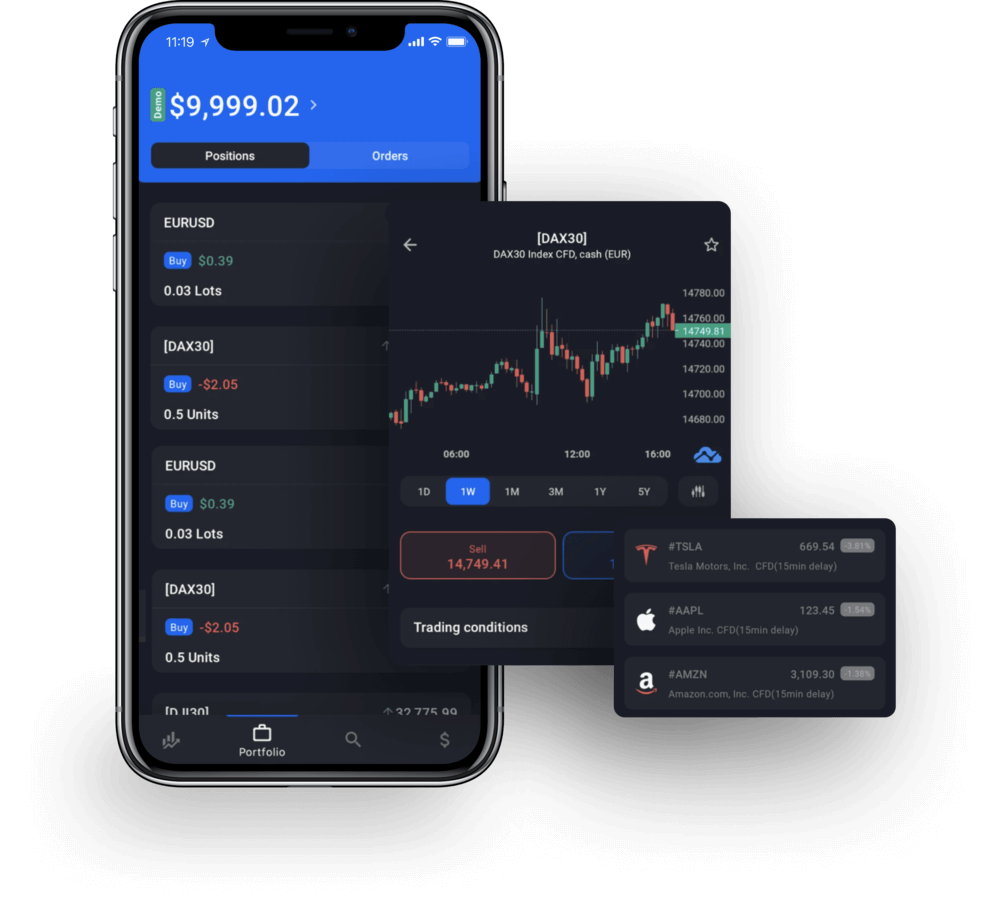
Success vs Failure.
The decisions between them.
Trading is not only a battle against the markets. It is often a battle against our own emotions, expectations and behaviour.
Louis Roche Founder Today Markets.
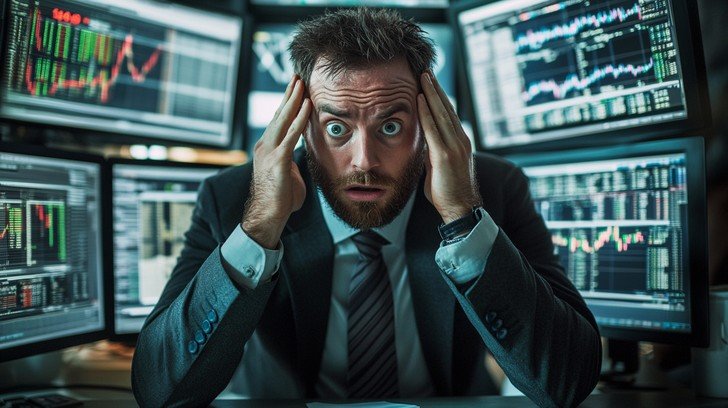
The market does not know whether you won or lost. Your mind does.
Every trader eventually experiences the psychological consequences of a winning position and a losing one. The danger often begins after the trade has closed — when emotion starts influencing the next decision. Success can create confidence, but confidence without discipline can become overconfidence. Losses can create valuable lessons, but unmanaged losses can lead to fear, revenge trading and increasingly desperate decisions.
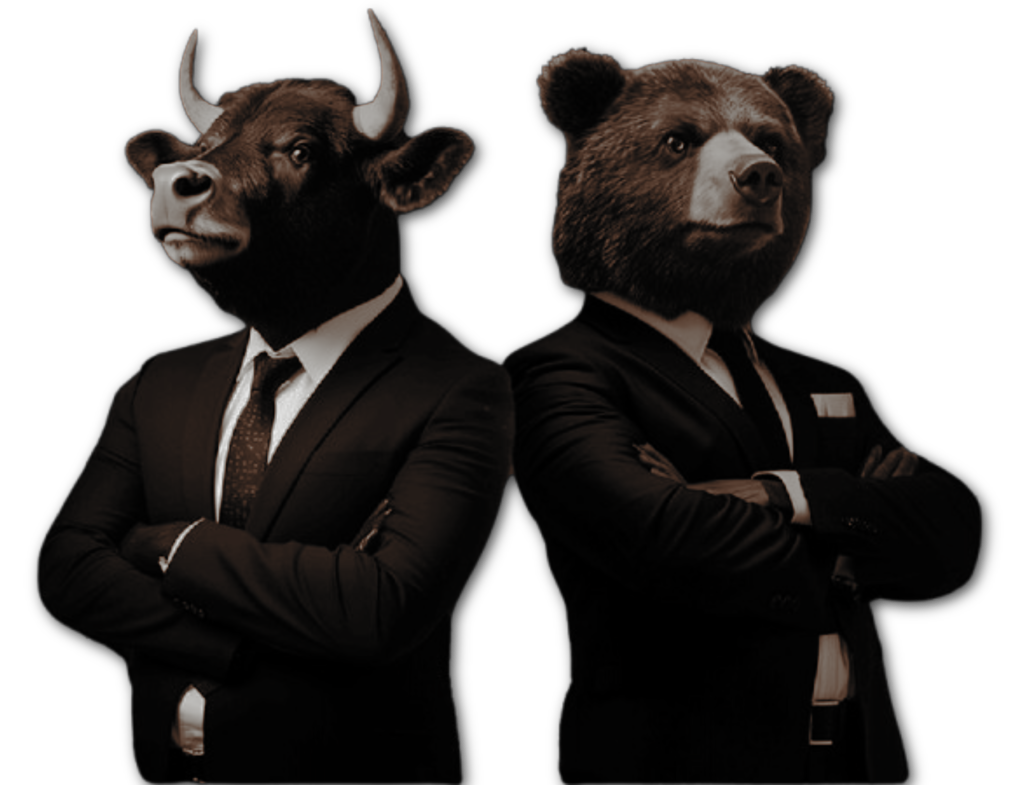
Two very different moments. One common challenge.
Whether the account is rising or falling, the next decision should not be dictated by emotion.
When success becomes dangerous.
A profitable position can change the way a trader perceives risk. Confidence rises. Risk can begin to feel smaller. Position sizes may increase. The trader may start believing that the next trade will behave like the last one.
The answer is not to fear success. It is to remain humble enough to understand that one successful trade does not change the uncertainty of the next.
When loss becomes a cycle.
Losses can create frustration, financial pressure, anxiety and the desire to recover what has been lost. The trader may increase position sizes, trade more frequently or abandon the original strategy.
What began as one losing position can become a psychological cycle where every new trade is an attempt to repair the previous one.

Protect the trader behind the profit.
Profit feels good. It should. But the healthiest response to a successful trade is not to immediately search for another larger opportunity.
The disciplined trader recognises the difference between being right about one position and being able to predict the next one.
- Take satisfaction from the process, not only the result.
- Do not automatically increase risk because recent trades were successful.
- Keep position sizing consistent with your plan.
- Remember that markets can change without warning.
- Let humility protect the profits that confidence created.
A winning trade should not change who you are.
The objective is not to remove confidence. It is to keep confidence connected to discipline.
A good outcome does not prove that every decision was perfect. Review the process as well as the result.
A profitable session is not a reason to abandon the risk limits that protected the account.
The market owes no trader a continuation of yesterday's success.
Losing money can be painful.
Losing control can be worse.
For some traders, a significant loss is more than a financial event. It can affect confidence, relationships, sleep, work and the ability to think clearly about the next decision.
The trader can become isolated. They may hide losses from people close to them. They may believe that one more trade can recover everything. They may continue trading not because the opportunity is attractive, but because stopping feels like admitting defeat.
Protecting what remains can be a stronger decision than trying to recover what has already been lost. "Louis Roche Founder of Today Markets"
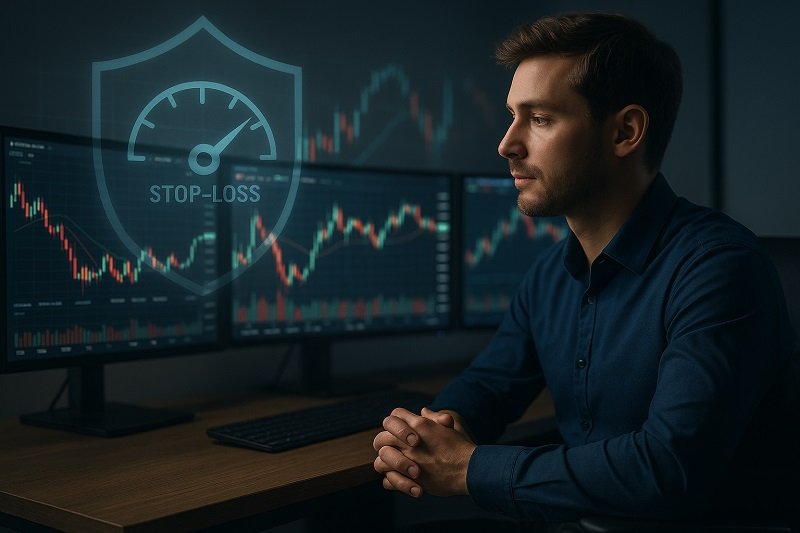
Understand the cycle before it controls you.
One of the most dangerous patterns in trading begins when the objective changes from making a considered decision to recovering an emotional loss.
A position closes at a loss.
Emotion begins replacing analysis.
More positions are opened to recover.
Position size increases as pressure rises.
The original strategy disappears.
AI can process information. It cannot remove risk.
Artificial intelligence is changing financial markets. Algorithms can process enormous amounts of information, identify patterns and automate elements of a trading strategy.
But AI has also created a new generation of marketing promising effortless profits, automated wealth and supposedly unstoppable trading systems.
The technology may be sophisticated. The marketing can still be very human.
If it sounds too easy, ask why.
Financial markets are frequently marketed as a shortcut to wealth. Social media, influencers, automated systems and AI trading promotions can make exceptional results appear normal.
They are not.
A trader should question any message that removes uncertainty from the equation. Real trading involves risk, losing positions, periods of poor performance and decisions that do not work. Technology can improve a process. It cannot turn uncertainty into certainty.
Better trading begins with better decisions.
Today Markets believes financial markets should be approached with curiosity, discipline and respect. Our purpose is not to tell traders that success is easy. It is to help them understand the markets, understand themselves and recognise the risks that can stand between an opportunity and a poor decision.
A trading plan matters most when emotion tells you to abandon it.
No winning position makes the next position predictable.
Every trader is responsible for understanding the risks behind their decisions.
Money matters, but one trade should never determine your sense of worth or future.
Protect your capital. Protect your judgement.
The strongest trader is not the person who never loses. It is the person who understands that losses are part of markets, refuses to let emotion dictate the next decision, and knows when discipline means stepping away.
Whether you are celebrating a profitable position or recovering from a difficult one, the next decision deserves the same thing: a clear mind.
Continue Exploring Today Markets →